
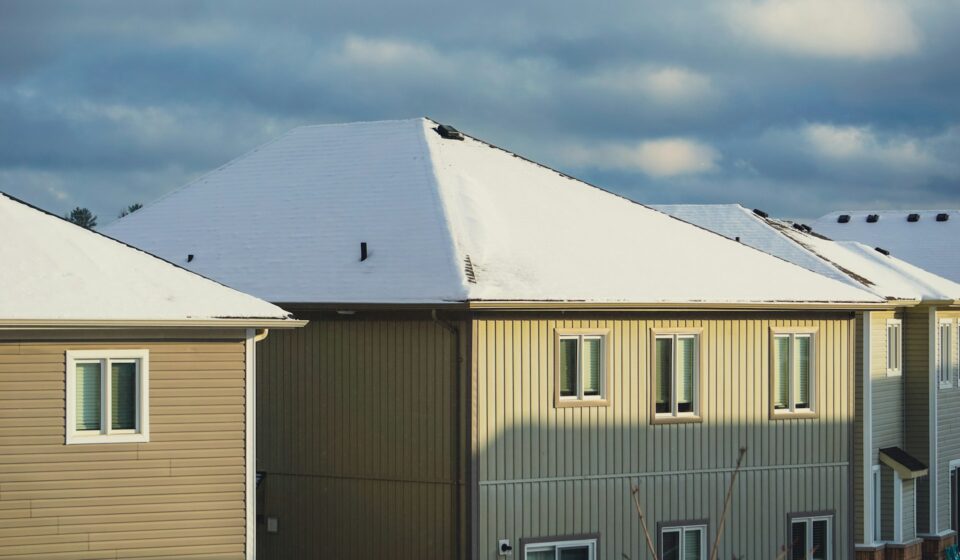

Winter can bring picturesque snowfalls, but it also brings the risk of ice dams and frozen gutters. When ice builds up on your roof and in your gutters, it can lead to significant water damage, costly repairs, and structural issues. Fortunately, modern freeze protection solutions offer an effective way to safeguard your property.
Table Of Content
- Understanding Ice Dams and Their Dangers
- How Ice Dams Form
- The Risks Associated with Ice Dams
- Manual and Non-Electric Solutions
- Roof Rakes
- Calcium Chloride De-Icers
- Self-Regulating Heating Cables
- How They Work
- Benefits of Self-Regulating Cables
- Mineral-Insulated (MI) Heating Cables
- Construction and Function
- When to Use MI Cables
- Constant Wattage Heating Cables
- Consistent Heat Output
- Key Considerations
- Controllers and Sensors for Optimal Performance
- Types of Controllers and Sensors
- The Advantage of Smart Controls
- Securing Your Property for Winter
This article explores various methods for protecting your roof and gutters from ice accumulation. We will cover everything from simple manual removal to advanced electrical heat tracing systems.
Understanding these options will help you choose the best roof protection strategy for your home or business, ensuring peace of mind throughout the winter months.
Understanding Ice Dams and Their Dangers
Before exploring solutions, it’s important to understand the problem. Ice dams are ridges of ice that form at the edge of a roof, preventing melting snow from draining properly. This trapped water can then seep under shingles and into your home, causing damage to ceilings, walls, and insulation.
How Ice Dams Form
Ice dams are a result of uneven roof temperatures. Heat from inside your home rises and warms the underside of the roof, melting the snow on top.
As this water runs down the roof, it reaches the colder eaves (the part of the roof that overhangs the walls), where it refreezes. This cycle of melting and refreezing creates a buildup of ice, or an ice dam.
The Risks Associated with Ice Dams
Failing to address ice dams can lead to several serious issues:
- Water Damage: Trapped water can leak into your home, damaging insulation, drywall, and even electrical systems.
- Structural Damage: The weight of the ice can damage shingles, pull gutters away from the building, and compromise the roof’s structure.
- Mold Growth: Moisture that seeps into your home creates a perfect environment for mold and mildew to grow, which can pose health risks.
- Safety Hazards: Large icicles can fall, posing a danger to people and property below.
Manual and Non-Electric Solutions
For those looking for immediate or low-cost options, several manual and non-electric methods can help manage ice buildup. These are often temporary fixes and require ongoing effort.
Roof Rakes
A roof rake is a long-handled tool designed to safely pull snow off the edge of your roof from the ground. By removing snow from the eaves, you eliminate the primary ingredient for ice dam formation.
- Pros: Inexpensive and effective for removing fresh snow.
- Cons: Labor-intensive and can be dangerous if not used correctly. It only addresses snow, not existing ice.
Calcium Chloride De-Icers
Another temporary solution is using calcium chloride products. These are often sold in pucks or encased in fabric sleeves that you place on the ice dam. The chemical melts channels through the ice, allowing trapped water to drain.
- Pros: Can provide quick relief for an existing ice dam.
- Cons: Can be corrosive and damage roofing materials, gutters, and landscaping over time. It’s a reactive, not a preventative, measure.
Self-Regulating Heating Cables
For a more permanent and automated solution, self-regulating heating cables are a popular choice. These are a key component of modern ice prevention systems for roofs and gutters.
How They Work
Self-regulating cables automatically adjust their heat output based on the ambient temperature. The cable’s conductive core generates more heat when it’s cold and less heat when it’s warm.
This makes them highly energy-efficient and safe, as they won’t overheat. They are typically installed in a zigzag pattern along the roof eaves and inside gutters and downspouts.
Benefits of Self-Regulating Cables
- Energy Efficiency: They only use the energy needed to prevent ice from forming, reducing electricity costs.
- Safety: The self-regulating technology prevents overheating, which minimizes the risk of fire.
- Effectiveness: They provide consistent roof protection by creating clear drainage paths for meltwater.
- Durability: Designed to withstand harsh winter conditions for many years.
Mineral-Insulated (MI) Heating Cables
Mineral-insulated (MI) heating cables are another robust option for electrical heat tracing systems, particularly in commercial or industrial settings where durability is paramount.
Construction and Function
MI cables consist of a solid metal conductor encased in a highly compressed magnesium oxide insulation, all protected by a seamless metal sheath. This construction makes them extremely durable and resistant to damage. They provide a constant wattage output, delivering consistent heat along their entire length.
When to Use MI Cables
MI cables are ideal for:
- High-Temperature Applications: They can operate at higher temperatures than self-regulating cables.
- Harsh Environments: Their rugged construction makes them suitable for industrial facilities and areas prone to physical damage.
- Long-Term Reliability: They have a very long service life with minimal maintenance requirements.
Constant Wattage Heating Cables
Constant wattage heating cables offer a simpler and often more budget-friendly electrical solution for gutter de-icing and roof protection compared to self-regulating or MI cables.
Consistent Heat Output
As the name suggests, these cables produce a fixed amount of heat per foot, regardless of the surrounding temperature. This provides a steady, reliable heat source to melt snow and ice. They are easy to install and can be cut to length in the field.
Key Considerations
- Energy Use: Because they don’t adjust their heat output, they can be less energy-efficient than self-regulating cables, especially during milder weather.
- Risk of Overheating: They must be installed carefully to avoid overlapping, as this can create hot spots and potentially damage the cable or roofing materials.
- Best Applications: They are well-suited for standard residential applications where simplicity and lower upfront cost are priorities.
Controllers and Sensors for Optimal Performance
To maximize the efficiency and effectiveness of any electrical heating system, incorporating controllers and sensors is essential. These devices automate the system, ensuring it only operates when needed.
Types of Controllers and Sensors
- Ambient Sensing Thermostats: These are the simplest controllers. They turn the heating system on when the outdoor temperature drops below a preset point (e.g., 38°F or 3°C).
- Moisture and Temperature Sensors: For greater efficiency, these sensors activate the system only when it is both cold and wet. This prevents the system from running unnecessarily on cold, dry days, saving significant energy.
- Integrated Control Panels: Advanced systems may use a central control panel that manages multiple zones, provides real-time feedback, and can be integrated with a building management system.
The Advantage of Smart Controls
Using smart controls for your gutter de-icing system ensures you get the right amount of heat at the right time. This not only saves money on electricity but also extends the life of the heating cables by reducing their total operating hours.
Securing Your Property for Winter
Protecting your roof and gutters from ice is not just about preventing costly repairs; it’s about ensuring the safety and integrity of your property. While manual methods can offer a temporary fix, automated ice prevention systems like self-regulating or constant wattage cables provide a reliable, long-term solution.
By combining these systems with smart controls, you can create an efficient and effective defense against winter’s harshest conditions. Investing in a quality freeze protection system today can save you from significant expense and stress tomorrow. Explore your options and prepare your property before the first snowflake falls.