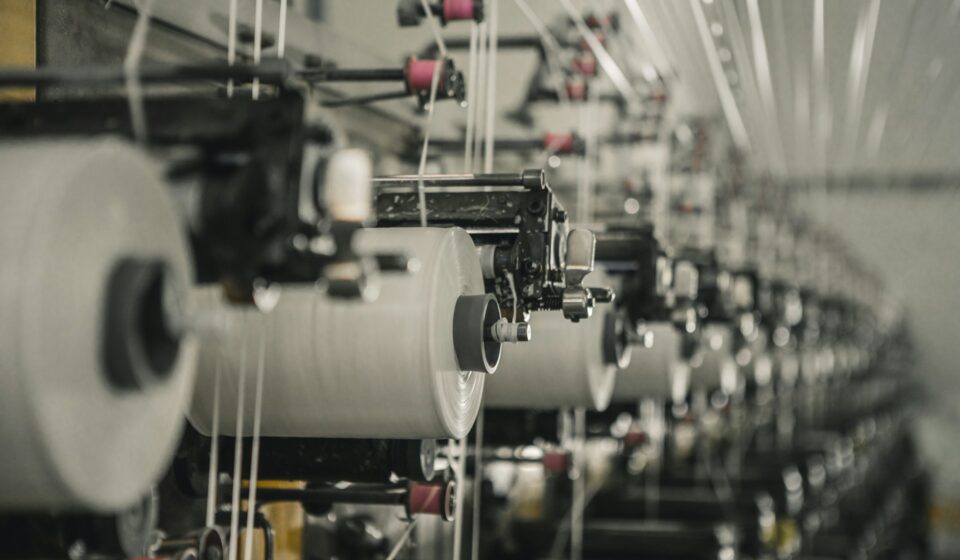

Manufacturing floors look nothing like they did a decade ago. Robotic arms work alongside human operators, sensors feed real-time data into central dashboards, and software systems make split-second decisions that used to require a supervisor’s judgment call.
Table Of Content
- What Counts as Advanced Manufacturing Automation Today?
- Core Technologies Driving the Shift
- Why the Definition Keeps Expanding
- Why Are Manufacturers Investing in Production Line Optimization?
- Reducing Downtime and Waste
- Improving Consistency and Output Quality
- Adapting to Labor Shortages
- How Do Companies Successfully Transition to Automated Systems?
- Start With a Process Audit
- Prioritize High-Impact Areas First
- Plan for Integration, Not Just Installation
- What Role Does Data Play in Modern Manufacturing?
- Real-Time Monitoring and Adjustments
- Predictive Maintenance
- Continuous Process Improvement
- What Should Manufacturers Consider Before Scaling Automation?
- Budget and ROI Timelines
- Workforce Training and Change Management
- Flexibility for Future Needs
- Who Can Help Manufacturers Navigate Complex Automation Projects?
- The Value of Experienced Partners
- What to Look for in a Partner
- Moving Forward With Confidence
This shift didn’t happen overnight, but it has accelerated as companies compete for faster output, lower defect rates, and tighter margins.
For plant managers and operations leaders, the question isn’t whether to adopt industrial automation anymore. It’s how far to take it, and how to do so without disrupting existing production or blowing through budget. Getting this right means understanding not just the technology itself, but how it fits into the broader goals of the business.
This post walks through the key components of modern manufacturing automation, the benefits it delivers, and practical considerations for rolling it out successfully. Whether you’re just starting to explore automated systems or looking to scale an existing setup, you’ll find a clear framework for making informed decisions.
What Counts as Advanced Manufacturing Automation Today?
Automation in manufacturing has expanded well beyond simple conveyor belts and mechanical arms. Today’s systems combine robotics, sensors, software, and data analytics into a connected ecosystem that can adapt to changing conditions on the fly.
Core Technologies Driving the Shift
Several technologies form the backbone of modern automated manufacturing:
- Robotics and cobots: Industrial robots handle repetitive, high-precision tasks, while collaborative robots (cobots) work safely alongside human staff.
- Machine vision: Cameras and AI-driven image recognition catch defects and inconsistencies faster than the human eye.
- Programmable logic controllers (PLCs): These systems manage machinery in real time, adjusting to variables like speed and temperature.
- Industrial IoT (IIoT): Connected sensors collect data across the production line, feeding it into centralized systems for analysis.
Why the Definition Keeps Expanding
As these technologies mature, the line between “automation” and “intelligence” continues to blur. Modern systems don’t just execute pre-set instructions. Many now analyze patterns, predict failures, and recommend adjustments before a problem occurs. This evolution means automation strategies need to be revisited regularly, not treated as a one-time upgrade.
Why Are Manufacturers Investing in Production Line Optimization?
Every plant has a different set of pain points, but the reasons for pursuing production line optimization tend to fall into a few consistent categories.
Reducing Downtime and Waste
Unplanned downtime is one of the costliest problems on any production floor. Automated monitoring systems can flag equipment issues before they cause a full stoppage, giving maintenance teams time to intervene. Similarly, automated quality checks catch defects earlier in the process, reducing scrap and rework.
Improving Consistency and Output Quality
Human error is a natural part of manual processes, especially during long shifts or high-pressure periods. Automated systems perform repetitive tasks with the same precision every time, which translates into more consistent product quality and fewer customer complaints.
Adapting to Labor Shortages
Many manufacturers are struggling to fill skilled labor positions. Automation doesn’t eliminate the need for people, but it does shift their roles toward oversight, troubleshooting, and process improvement, roles that are often easier to staff than repetitive manual labor.
How Do Companies Successfully Transition to Automated Systems?
Moving toward automation isn’t a plug-and-play process. It requires planning, testing, and a clear understanding of where the biggest gains are possible.
Start With a Process Audit
Before investing in new equipment, it’s worth mapping out the current production process from start to finish. This audit should identify:
- Bottlenecks that slow down throughput
- Steps with high error or defect rates
- Tasks that are repetitive but require little judgment
- Safety risks tied to manual handling
Prioritize High-Impact Areas First
Not every part of the production line needs to be automated at once. Many manufacturers see the best return by targeting the areas identified in the audit as the highest-impact, whether that’s a packaging bottleneck or a quality control step prone to inconsistency. Early wins build internal support for larger investments down the line.
Plan for Integration, Not Just Installation
New automated equipment needs to communicate with existing systems, from enterprise resource planning (ERP) software to legacy machinery. Skipping this step often leads to data silos and inefficiencies that cancel out the benefits of automation in the first place.
What Role Does Data Play in Modern Manufacturing?
Automation and data collection go hand in hand. Every sensor, robot, and control system on a modern production line generates data, and that data is only valuable if it’s captured, analyzed, and acted upon.
Real-Time Monitoring and Adjustments
Dashboards that display live production metrics allow teams to spot issues as they happen rather than after a shift ends. This shortens the feedback loop between a problem occurring and a fix being implemented.
Predictive Maintenance
Rather than waiting for a machine to fail, predictive maintenance uses historical and real-time data to forecast when a part is likely to wear out. This approach reduces both unplanned downtime and unnecessary maintenance costs.
Continuous Process Improvement
Data collected over months or years reveals patterns that aren’t visible in the moment. Manufacturers can use this information to fine-tune production schedules, adjust staffing, and identify recurring quality issues.
What Should Manufacturers Consider Before Scaling Automation?
Scaling automation across an entire facility, or multiple facilities, introduces new challenges beyond the initial pilot phase.
Budget and ROI Timelines
Automation investments can be significant, and the payback period varies depending on the complexity of the systems involved. It helps to set realistic expectations upfront, factoring in installation, training, and ongoing maintenance costs alongside the equipment price itself.
Workforce Training and Change Management
Employees need training not just on how to operate new systems, but on how their roles are changing. Clear communication about what automation will and won’t replace helps ease the transition and reduces resistance.
Flexibility for Future Needs
Production demands shift over time, whether due to new product lines, changing order volumes, or evolving customer expectations. Choosing automation systems that can be reconfigured or expanded avoids the need for a costly overhaul down the road.
Who Can Help Manufacturers Navigate Complex Automation Projects?
For manufacturers dealing with intricate production environments, multiple product lines, or facilities that need to scale quickly, managing an automation rollout internally can be overwhelming. This is where specialized partners come in.
The Value of Experienced Partners
Working with a team experienced in complex production automation means fewer costly missteps during implementation. These partners bring lessons learned from other facilities, helping avoid common pitfalls around integration, scalability, and workforce adoption.
What to Look for in a Partner
A strong automation partner should offer:
- A track record with projects of similar scale and complexity
- The ability to design scalable systems that grow with the business
- Support beyond installation, including ongoing maintenance and optimization
Manufacturers that pair internal process knowledge with outside expertise tend to see faster, smoother transitions than those going it alone.
Moving Forward With Confidence
Manufacturing automation isn’t a single decision made once and forgotten. It’s an ongoing process of identifying opportunities, testing solutions, and refining systems as new technologies and business needs emerge.
Companies that treat it this way, rather than as a one-time capital project, tend to stay ahead of competitors who are still relying on manual processes and reactive fixes.
The path forward starts with an honest look at where your current production line is falling short, followed by a plan that prioritizes the highest-impact changes first. From there, the right technology and the right partners make all the difference in turning a good plan into a functioning, resilient production system.